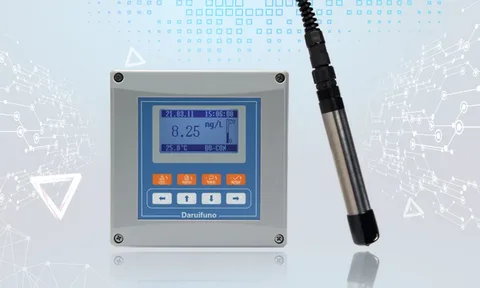
Product Overview
he analyzer typically uses electrochemical (galvanic or polarographic) or optical luminescence-based sensing technologies to detect dissolved oxygen levels in water. Electrochemical sensors generate a current proportional to the oxygen concentration, while optical sensors detect oxygen through luminescence quenching, offering high accuracy and low maintenance. The measured signal is converted into 4–20 mA analog or digital protocol outputs such as Modbus RTU, HART, or Ethernet for SCADA system integration.
Dissolved oxygen analyzers are designed for continuous, reliable operation in harsh environments, including highly aerated, turbid, or chemically treated water. They are typically installed in aeration tanks, secondary clarifiers, and wastewater effluent channels, providing real-time feedback to SCADA for automated oxygen control. By maintaining optimal oxygen levels, operators ensure efficient microbial activity, minimize energy consumption in aeration systems, and reduce operational costs. (Hach
)
Integration with SCADA systems allows operators to set upper and lower oxygen thresholds, receive automatic alarms, and adjust aeration blowers or air supply rates in real-time. Historical DO data helps in process optimization, performance reporting, and regulatory compliance. Advanced analyzers also include self-calibration and diagnostic features, reducing downtime and maintenance needs. The combination of real-time data, automated control, and trend analysis ensures optimal treatment performance, safe discharge, and resource efficiency.
Hach LDO/Optical DO Analyzer Datasheet (PDF) https://www.hach.com/asset-get.download.jsa?id=7639988641