Send us your mail or next updates.

Online Turbidity Sensor – Continuous Water Clarity Monitoring for SCADA Systems

Online Turbidity Sensor – Continuous Water Clarity Monitoring for SCADA Systems

Product Overview

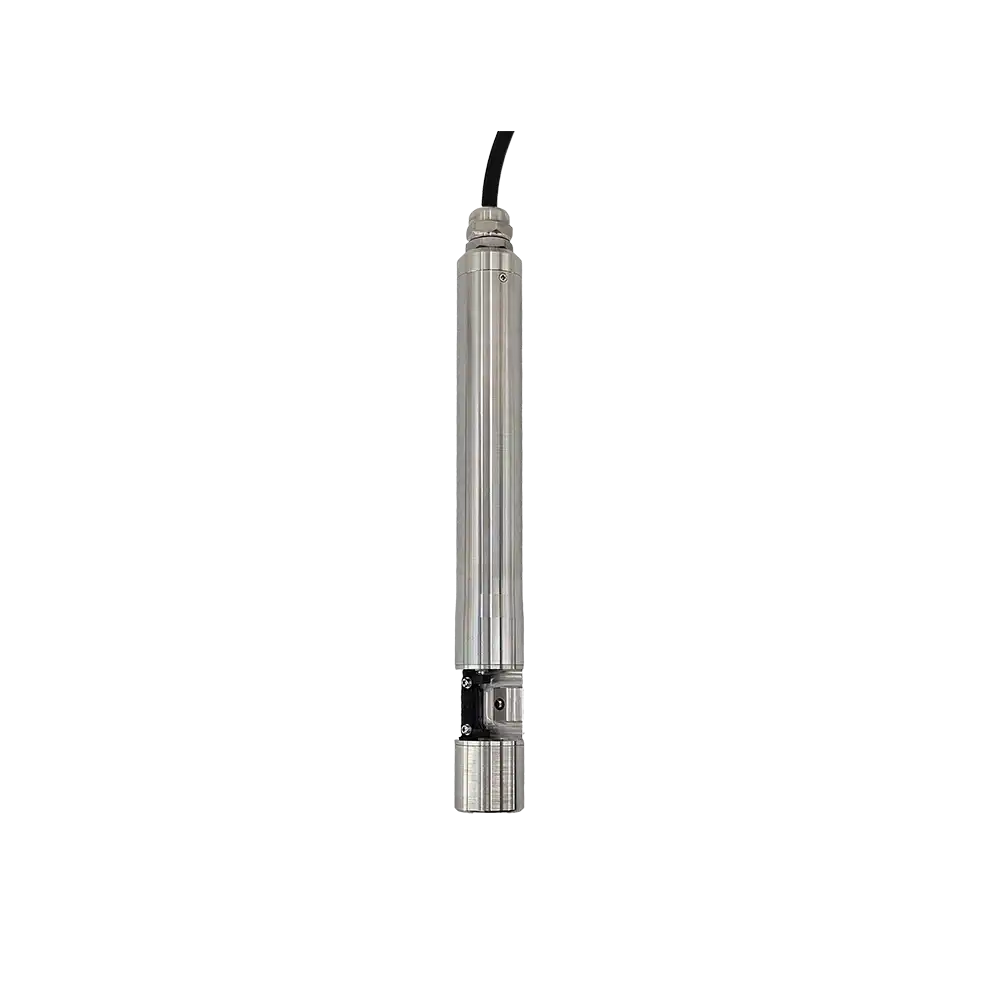
The Online Turbidity Sensor is a critical analytical device used in SCADA‑based water and wastewater treatment automation for real‑time monitoring of water clarity caused by suspended solids and particles. Turbidity is a vital indicator of water quality; high turbidity can interfere with disinfection, indicate filter performance issues, and affect regulatory compliance. Turbidity sensors provide continuous online data that feed directly into PLCs and RTUs (Remote Terminal Units) and are visualized by the SCADA host system for operator monitoring, alarm thresholds, and historical trend analysis. Accurate turbidity data help plant operators make informed decisions, optimize chemical dosing, and reduce operational costs.


Product Overview

These sensors typically employ optical measurement principles, where a light source emits a beam through the water, and a detector measures the amount of scattered light at a 90° angle — the standard method outlined by ISO 7027 for turbidity measurement. This optical nephelometric approach ensures high sensitivity and accuracy across a wide range of water conditions, from very low turbidity in drinking water to high turbidity in raw or wastewater streams. Modern sensors are engineered with IP68 rugged housings and automatic cleaning mechanisms (such as brushes or air/water jets) that reduce fouling and maintenance requirements, ensuring reliable long‑term operation in harsh industrial environments.

Online turbidity sensors are installed at key process points — such as raw water intakes, post‑clarification, post‑filtration, and final effluent discharge — where continuous monitoring is essential. In a SCADA context, the sensor’s electrical outputs (e.g., 4–20 mA analog, RS‑485 Modbus RTU, or Ethernet) are used to feed live turbidity values into the automation network. These values appear on SCADA dashboards, where operators can view real‑time levels, historical trends, and alarm states. If turbidity exceeds preset limits, the system can trigger automatic control actions such as adjusting coagulation dosing, initiating backwash sequences, or diverting flow to protect downstream processes.